Healthcare Professional Resources
The Opioid Epidemic
With the spread of illegally-made, synthetic opioids like fentanyl, overdose deaths have grown across ages, races, ethnicities and communities.*†
*Drug Overdose Deaths Among Persons Aged 10-19 Years – United States, July 2019-December 2021. †Drug Overdose Deaths Rise, Disparities Widen. Centers for Disease Control and Prevention website. Available at: https://www.cdc.gov/vitalsigns/overdose-death-disparities/index.html. Accessed June 25, 2023.

Facts About Fentanyl
Extremely potent, illegally-made synthetic opioids such as fentanyl and carfentanil are the most common drugs involved in overdose deaths in the United States.*
* Fentanyl Facts. Centers for Disease Control and Prevention website. Available at: https://www.cdc.gov/stop-overdose/caring/fentanyl-facts.html. Accessed March 17, 2025.

Understanding Overdose
More than a million Americans will die this decade of an opioid overdose.* You could save someone.
* Humphreys et. Al. 2022, “Responding to the opioid crisis in North America and beyond: recommendations of the Stanford–Lancet Commission,” The Lancet, 399:10324, p555-604
Product information
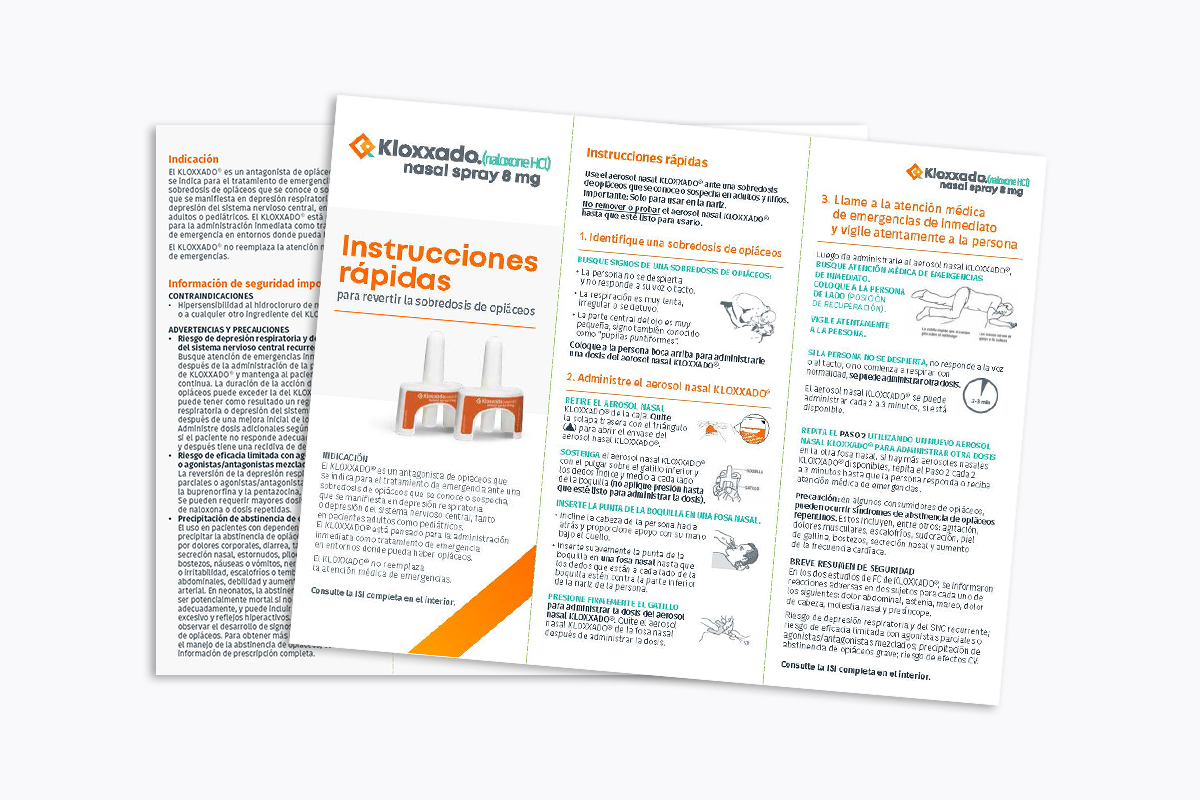
KLOXXADO® Quick Use Instructions – Spanish
En español: instrucciones fáciles de seguir para administrar KLOXXADO®.
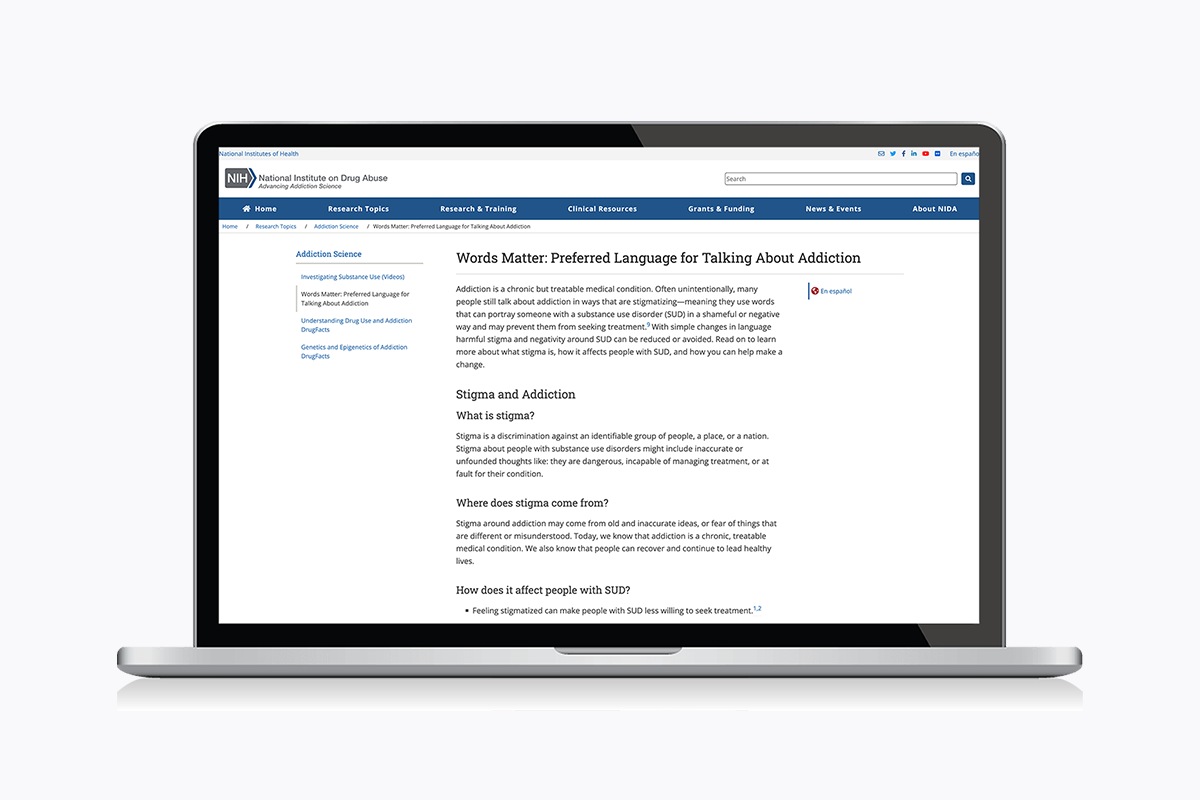
Talking to Patients About Substance Use
Helpful tips for talking to your patients about substance use. Brought to you by the National Institutes of Health and the National Institute on Drug Use.
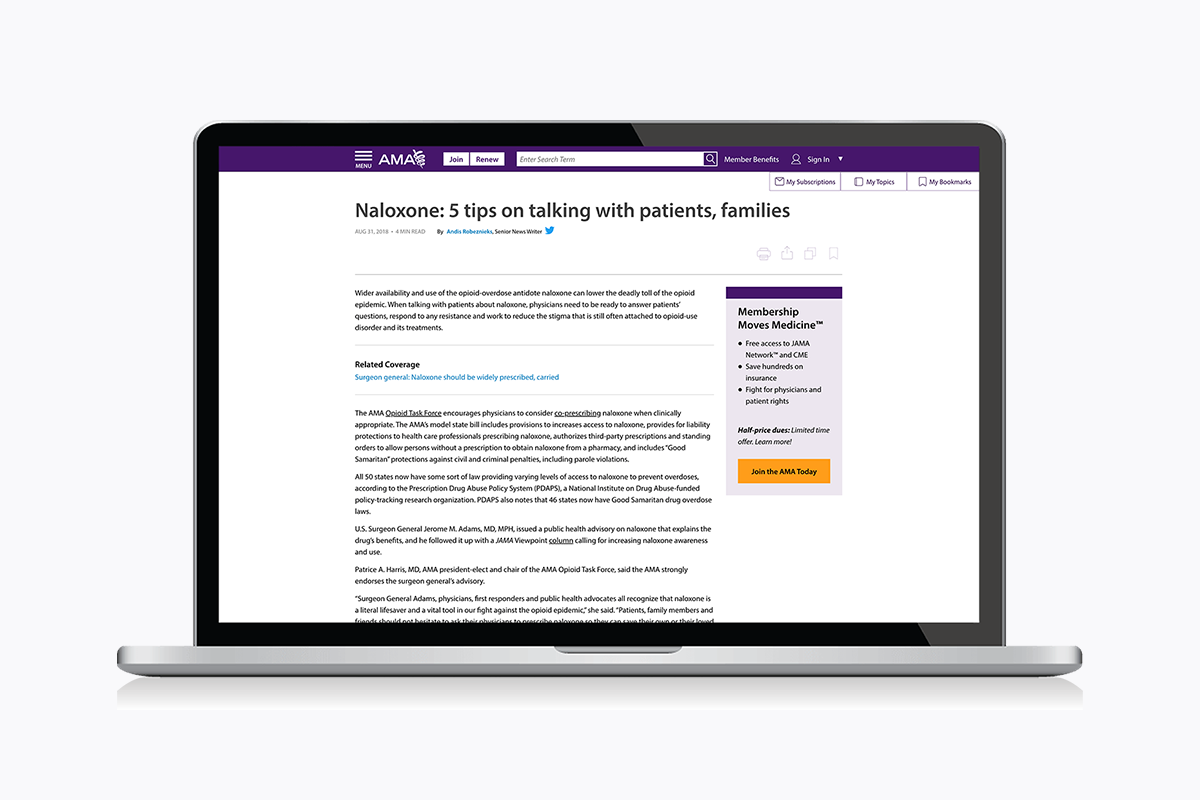
Talking to Patients About Naloxone
Helpful tips for talking to your patients about naloxone. Brought to you by the American Medical Association.
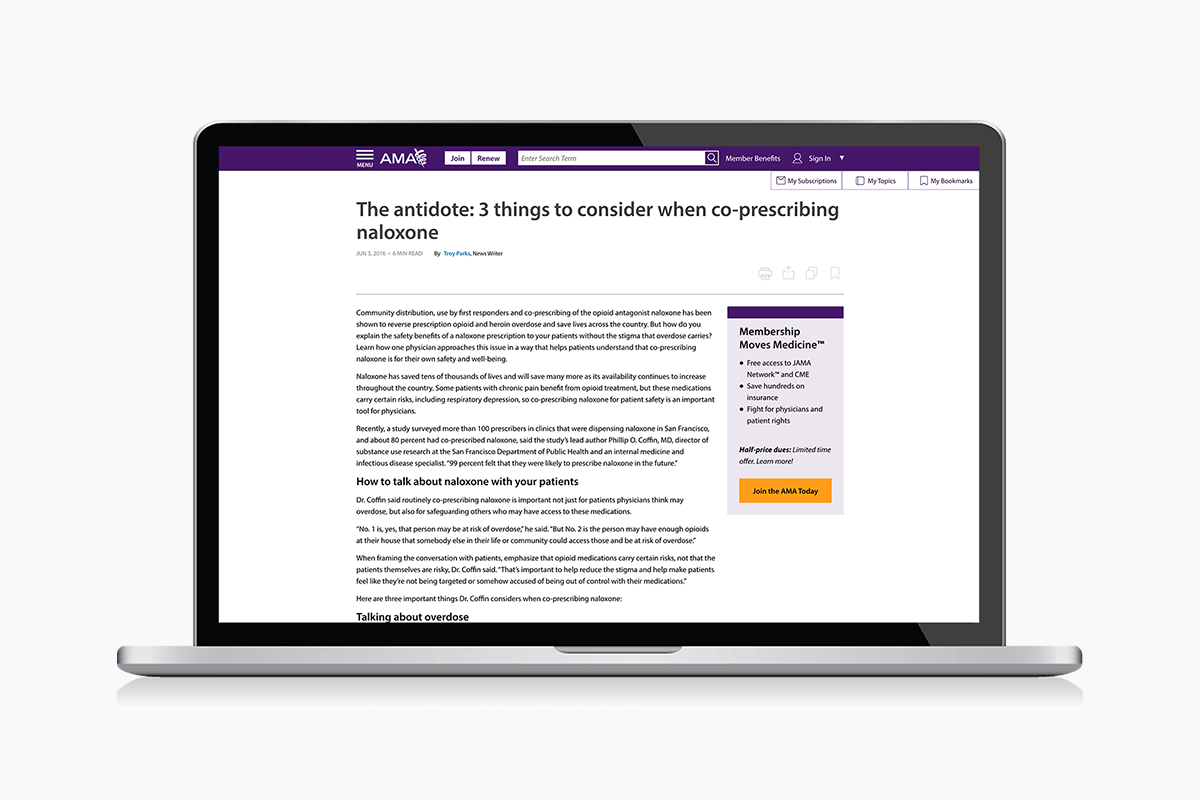
3 Things to Consider When Co-Prescribing Naloxone
Prescribing naloxone is about more than just your patient. Brought to you by the American Medical Association.

Frequently Asked Questions
Learn more about Kloxxado® by exploring common community questions.
References
- Maximum value of $40 per box, up to 2 boxes per redemption, up to 4 boxes per month. No activation is necessary. See eligibility and restrictions.
Important Safety Information and Indication for KLOXXADO® (naloxone HCl) NASAL SPRAY 8 mg
Warnings and Precautions
Risk of Recurrent Respiratory and CNS Depression
Due to the duration of action of naloxone relative to the opioid, keep patient under continued surveillance and administer repeat doses of naloxone using a new Nasal Spray for each dose, as necessary, while awaiting emergency medical assistance.
Important Safety Information and Indication for KLOXXADO® (naloxone HCl) NASAL SPRAY 8 mg
INDICATION AND USAGE
KLOXXADO® Nasal Spray is an opioid antagonist indicated for the emergency treatment of known or suspected opioid overdose, as manifested by respiratory and/or central nervous system depression, for adult and pediatric patients.
KLOXXADO® Nasal Spray is intended for immediate administration as emergency therapy in settings where opioids may be present. KLOXXADO® Nasal Spray is not a substitute for emergency medical care.
IMPORTANT SAFETY INFORMATION
Warnings and Precautions
Risk of Recurrent Respiratory and CNS Depression
Due to the duration of action of naloxone relative to the opioid, keep patient under continued surveillance and administer repeat doses of naloxone using a new Nasal Spray for each dose, as necessary, while awaiting emergency medical assistance.
Risk of Limited Efficacy with Partial Agonists or Mixed Agonist/Antagonists
Reversal of respiratory depression caused by partial agonists or mixed agonist/antagonists, such as buprenorphine and pentazocine, may be incomplete. Larger or repeat doses may be necessary.
Precipitation of Severe Opioid Withdrawal
Use in patients who are opioid dependent may precipitate opioid withdrawal; the risk and severity of withdrawal increase as naloxone exposure increases. Opioid withdrawal is characterized by body aches, diarrhea, tachycardia, fever, runny nose, sneezing, piloerection, sweating, yawning, nausea or vomiting, nervousness, restlessness or irritability, shivering or trembling, abdominal cramps, weakness, and increased blood pressure. In neonates, opioid withdrawal may be life-threatening if not recognized and properly treated. Monitor for the development of opioid withdrawal.
Risk of Cardiovascular (CV) Effects
Abrupt postoperative reversal of opioid depression may result in nausea, vomiting, sweating, tremulousness, tachycardia, hypotension, hypertension, seizures, ventricular tachycardia and fibrillation, pulmonary edema, and cardiac arrest. These events have primarily occurred in patients who had preexisting CV disorders or received other drugs that may have similar adverse cardiovascular (CV) effects. Monitor these patients closely in an appropriate healthcare setting after use of naloxone hydrochloride.
Contraindication
Hypersensitivity to naloxone hydrochloride or to any of the other ingredients in KLOXXADO® Nasal Spray.
Adverse Reactions
In two pharmacokinetic studies, a total of 47 healthy adult volunteers were exposed to a single dose of KLOXXADO® Nasal Spray, one spray in one nostril. The following adverse reactions were reported in two subjects each: abdominal pain, asthenia, dizziness, headache, nasal discomfort, and presyncope.
The following most frequently reported events (in decreasing frequency) have been identified primarily during post-approval use of naloxone hydrochloride (all routes of administration): withdrawal syndrome, vomiting, non-responsiveness to stimuli, drug ineffective, agitation, somnolence, and loss of consciousness.
To report suspected Adverse Reactions, contact Hikma Specialty USA Inc. at: us.hikma@primevigilance.com, or call 1-877-845-0689 or 1-800-962-8364. You can also contact FDA at: 1-800-FDA-1088 or www.fda.gov/medwatch.
For more information, please see accompanying full Prescribing Information for KLOXXADO® Nasal Spray.
This section of the site is intended for U.S. healthcare professionals only.
Click CONTINUE if you are a U.S. healthcare professional.